Buy small-business.eu ?
We are moving the project
small-business.eu .
Are you interested in purchasing the domain
small-business.eu ?
domain@kv-gmbh.de · 0541-91531010
Buy small-business.eu ?
Which tenses exist in Swiss German that only have two tenses?
In Swiss German, there are two tenses that only have two forms: the present tense and the past tense. The present tense is used to talk about actions happening in the present, while the past tense is used to talk about actions that have already happened. Unlike in Standard German, there is no distinction between the simple past and the present perfect tense in Swiss German. **
Which tenses are related?
The tenses that are related in English are the simple present, simple past, and simple future tenses. These tenses are the basic forms of verb conjugation and are used to express actions or states that occur in the present, past, or future respectively. They are often used as building blocks for more complex tenses and can be combined with auxiliary verbs to convey different shades of meaning. Understanding the relationship between these tenses is essential for mastering English grammar. **
Similar search terms for Tenses
Top-Angebote
Products related to Tenses:
-
Uplifted Finds Artisan Resonance Bell Magnetic Beech Wood Shopkeeper Chime Executive Entryway & Modern Boutique Sanctuary Decor b"Inaugurate a soulful ""PresenceSanctuary"" energy in your environment with our Artisan Resonance Bell. This premium magnetic wooden doorbell is the ultimate designer solution for creating a ""ZenModern"" or ""ExecutiveStudioLuxe"" atmosphere at any..."33,97 $*Shipping: 0,00 $Secure redirect to the provider
-
Skip's Garage Drink Local Cornhole Boards"Includes: (2) Cornhole Boards & (8) Bags. Boards are Regulation Sized 24"" Wide x 48"" Long. Bags Will Complement The Board Colors. Easily Message Us Bag Color Requests. Easily Add a Carry Cases, Lights, or Both!"246,49 $*Shipping: 0,00 $Secure redirect to the provider
-
Uplifted Finds Artisan Resonance Bell Magnetic Beech Wood Shopkeeper Chime Executive Entryway & Modern Boutique Sanctuary Decor c"Inaugurate a soulful ""PresenceSanctuary"" energy in your environment with our Artisan Resonance Bell. This premium magnetic wooden doorbell is the ultimate designer solution for creating a ""ZenModern"" or ""ExecutiveStudioLuxe"" atmosphere at any..."43,97 $*Shipping: 0,00 $Secure redirect to the provider
-
Uplifted Finds Artisan Resonance Bell Magnetic Beech Wood Shopkeeper Chime Executive Entryway & Modern Boutique Sanctuary Decor d"Inaugurate a soulful ""PresenceSanctuary"" energy in your environment with our Artisan Resonance Bell. This premium magnetic wooden doorbell is the ultimate designer solution for creating a ""ZenModern"" or ""ExecutiveStudioLuxe"" atmosphere at any..."53,97 $*Shipping: 0,00 $Secure redirect to the provider


-
Which tenses are there in Swiss German that only have two tenses?
In Swiss German, there are two tenses that only have two forms: present and past. The present tense is used to describe actions happening in the present moment, while the past tense is used to talk about actions that have already occurred. These two tenses are commonly used in everyday conversations in Swiss German. **
-
Which tenses are there in Swiss German that have only two tenses?
In Swiss German, there are two tenses that have only two forms: the present tense and the past tense. The present tense is used to describe actions happening in the present moment, while the past tense is used to talk about actions that have already happened. Unlike Standard German, Swiss German does not have a separate future tense, so speakers use the present tense or auxiliary verbs to indicate future actions. **
-
Which tenses exist in Swiss German where there are only two tenses?
In Swiss German, the two tenses that exist are the present tense and the past tense. The present tense is used to describe actions that are currently happening or habitual actions, while the past tense is used to talk about actions that have already occurred. Swiss German does not have a separate future tense, as the present tense can also be used to express future actions. **
-
What are the English tenses?
The English language has 12 tenses, which are divided into three main categories: past, present, and future. Each category has four tenses: simple, continuous, perfect, and perfect continuous. The simple tenses refer to actions that are completed at a specific time, the continuous tenses refer to actions that are ongoing or in progress, the perfect tenses refer to actions that are completed before a specific time, and the perfect continuous tenses refer to actions that started in the past and are still ongoing. Understanding these tenses is essential for effective communication in English. **

What are the French tenses?
The French language has several tenses, including the present, past, and future tenses. The present tense is used to talk about actions happening in the present or habitual actions. The past tense is used to talk about completed actions in the past, and it has several forms such as the passé composé and the imparfait. The future tense is used to talk about actions that will happen in the future. Additionally, French has other tenses such as the conditional and the subjunctive, which are used to express hypothetical or uncertain actions. **
Which tenses must one use?
One must use a variety of tenses in order to accurately convey different points in time and actions. The choice of tense depends on the specific context and the relationship between different events. For example, the present tense is used for current actions or general truths, the past tense is used for completed actions or events, and the future tense is used for actions that will happen at a later time. Additionally, the perfect tenses are used to show actions that are completed or ongoing at a specific point in time. Overall, the selection of tenses is crucial for effectively communicating the timing and sequence of events. **
Top-Angebote
Products related to Tenses:
-
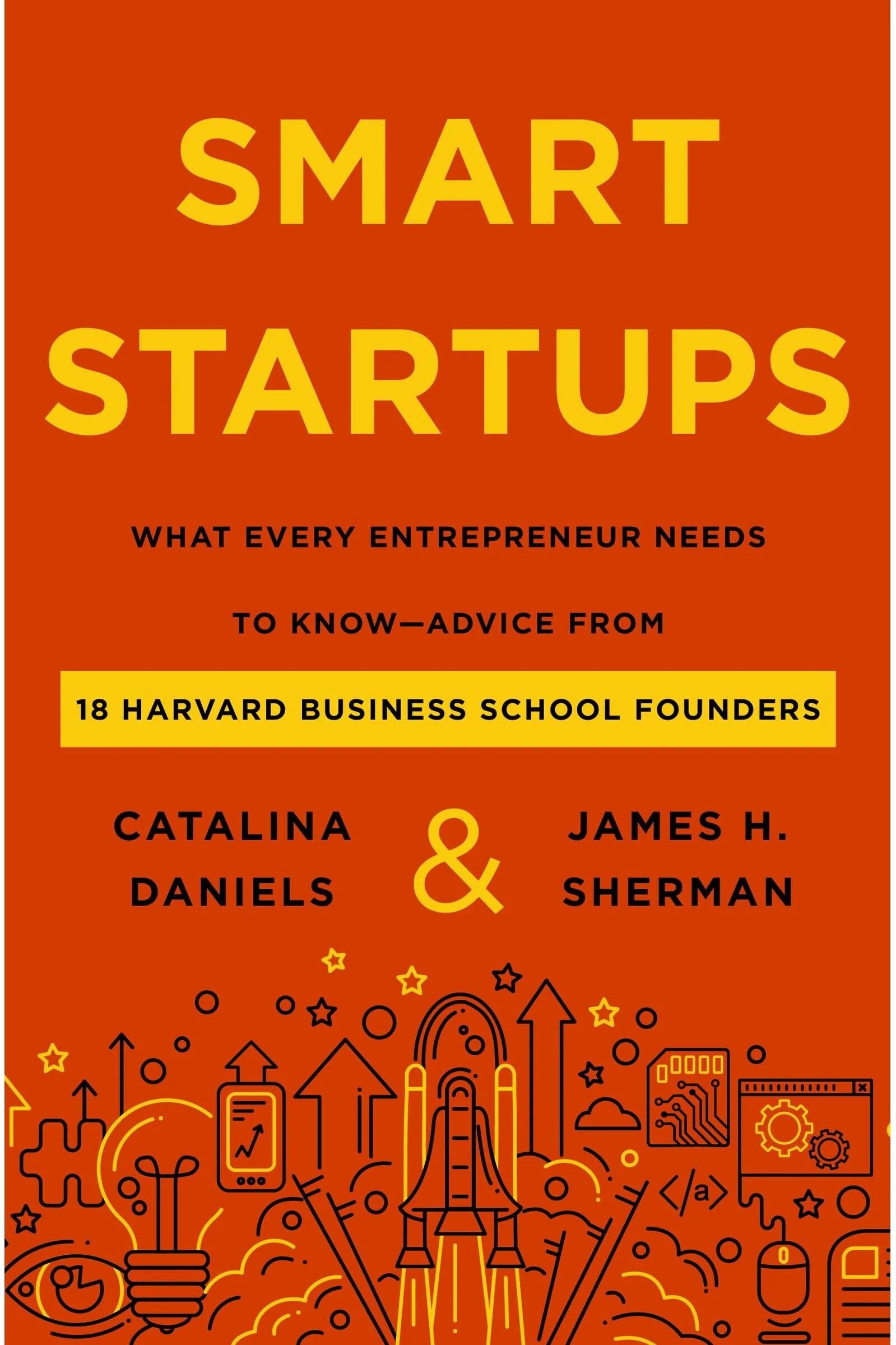
Harper Business Smart Startups: What Every Entrepreneur Needs to Know by Catalina Daniels & James H. Sherman - Hardback - Business & Entrepreneurship Non FictionSmart Startups: What Every Entrepreneur Needs to Know is a candid guide to building a company that lasts. Written by two Harvard Business School classmates turned founders and angel investors, it goes beyond classroom theory to show what actually happens inside eighteen startups launched by fellow HBS graduates. Packed with honest case studies, hard-won lessons, and unexpected pitfalls, this book is essential reading for anyone serious about turning an idea into a viable business. The authors, Catalina Daniels and James H. Sherman, met as classmates at Harvard Business School, where they studied the fundamentals of entrepreneurship together. Years later, after each had founded and exited multiple companies and become active angel investors, they discovered that their real-world experiences often diverged sharply from the conventional wisdom they learned in school.11,99 £*Shipping: 2,99 £Secure redirect to the provider
-
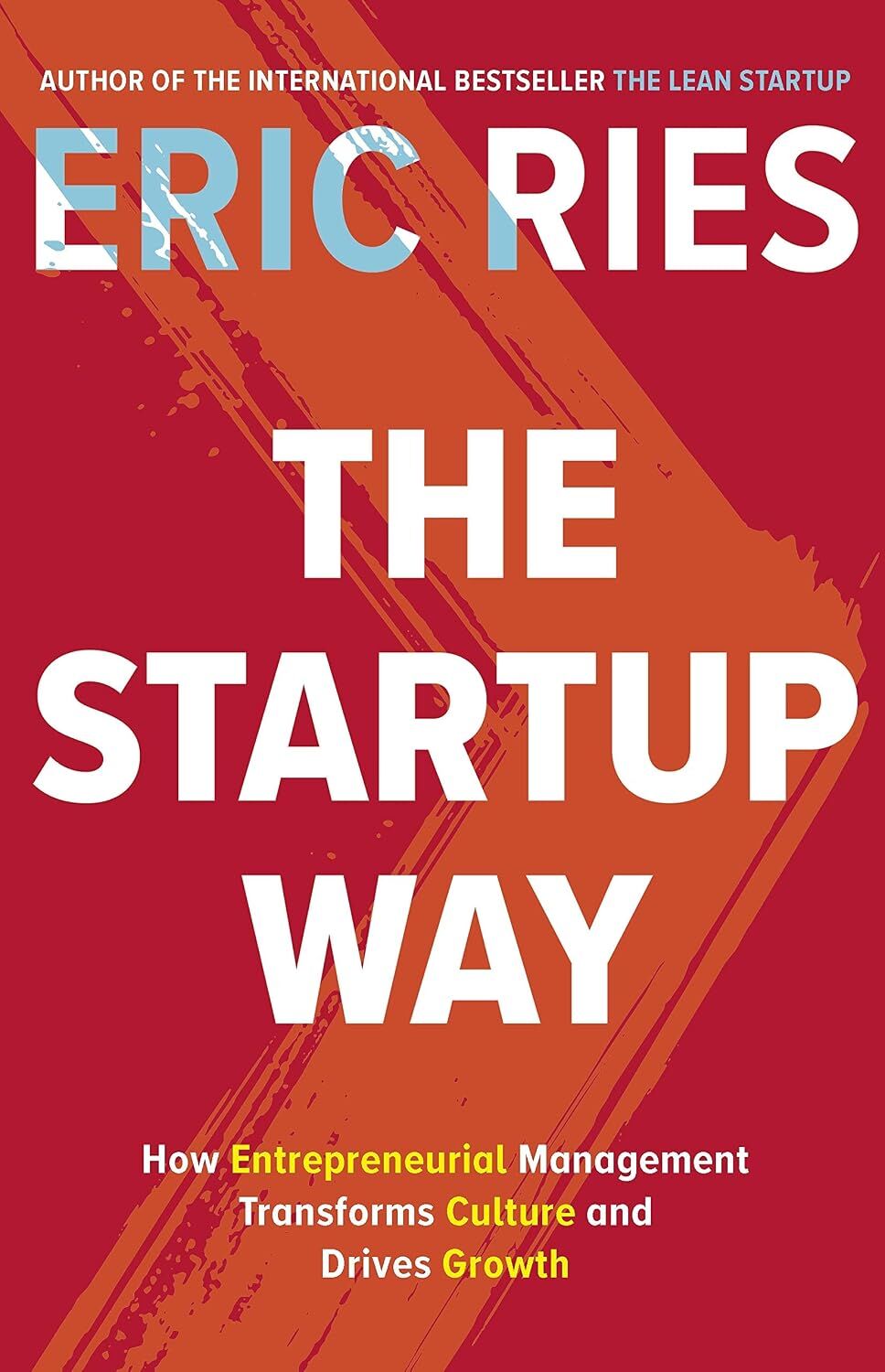
Portfolio Penguin Eric Ries Collection 2 Books Set - The Lean Startup & The Startup Way - Paperback - Business & Entrepreneurship Bundle for Founders and ManagersThis two-book collection brings together Eric Ries's most influential works on modern entrepreneurship: The Lean Startup and The Startup Way. Together they set out a rigorous, practical methodology for building successful businesses in conditions of extreme uncertainty, then show how those same lean principles can be scaled up to transform established, bureaucratic organisations. The Lean Startup introduced the world to concepts such as the minimum viable product, validated learning, and the build-measure-learn feedback loop. Drawing on his own experiences as a founder and advisor, Ries argues that startups succeed not through grand five-year plans but through rapid experimentation and continuous improvement. Ideal for founders, managers, and anyone curious about innovation, this set is a complete primer on lean thinking from the man who coined the term. The books are in brand new condition, published by Portfolio Penguin, and are suitable for adult readers.10,99 £*Shipping: 2,99 £Secure redirect to the provider
-
Uplifted Finds Artisan Resonance Bell Magnetic Beech Wood Shopkeeper Chime Executive Entryway & Modern Boutique Sanctuary Decor b"Inaugurate a soulful ""PresenceSanctuary"" energy in your environment with our Artisan Resonance Bell. This premium magnetic wooden doorbell is the ultimate designer solution for creating a ""ZenModern"" or ""ExecutiveStudioLuxe"" atmosphere at any..."33,97 $*Shipping: 0,00 $Secure redirect to the provider
-
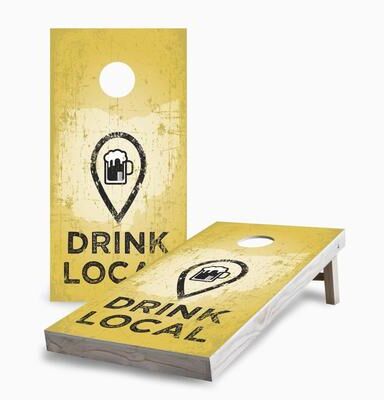
Skip's Garage Drink Local Cornhole Boards"Includes: (2) Cornhole Boards & (8) Bags. Boards are Regulation Sized 24"" Wide x 48"" Long. Bags Will Complement The Board Colors. Easily Message Us Bag Color Requests. Easily Add a Carry Cases, Lights, or Both!"246,49 $*Shipping: 0,00 $Secure redirect to the provider
-
Which tenses exist in Swiss German that only have two tenses?
In Swiss German, there are two tenses that only have two forms: the present tense and the past tense. The present tense is used to talk about actions happening in the present, while the past tense is used to talk about actions that have already happened. Unlike in Standard German, there is no distinction between the simple past and the present perfect tense in Swiss German. **
-
Which tenses are related?
The tenses that are related in English are the simple present, simple past, and simple future tenses. These tenses are the basic forms of verb conjugation and are used to express actions or states that occur in the present, past, or future respectively. They are often used as building blocks for more complex tenses and can be combined with auxiliary verbs to convey different shades of meaning. Understanding the relationship between these tenses is essential for mastering English grammar. **
-
Which tenses are there in Swiss German that only have two tenses?
In Swiss German, there are two tenses that only have two forms: present and past. The present tense is used to describe actions happening in the present moment, while the past tense is used to talk about actions that have already occurred. These two tenses are commonly used in everyday conversations in Swiss German. **
-
Which tenses are there in Swiss German that have only two tenses?
In Swiss German, there are two tenses that have only two forms: the present tense and the past tense. The present tense is used to describe actions happening in the present moment, while the past tense is used to talk about actions that have already happened. Unlike Standard German, Swiss German does not have a separate future tense, so speakers use the present tense or auxiliary verbs to indicate future actions. **
Similar search terms for Tenses
-
Uplifted Finds Artisan Resonance Bell Magnetic Beech Wood Shopkeeper Chime Executive Entryway & Modern Boutique Sanctuary Decor c"Inaugurate a soulful ""PresenceSanctuary"" energy in your environment with our Artisan Resonance Bell. This premium magnetic wooden doorbell is the ultimate designer solution for creating a ""ZenModern"" or ""ExecutiveStudioLuxe"" atmosphere at any..."43,97 $*Shipping: 0,00 $Secure redirect to the provider
-
Uplifted Finds Artisan Resonance Bell Magnetic Beech Wood Shopkeeper Chime Executive Entryway & Modern Boutique Sanctuary Decor d"Inaugurate a soulful ""PresenceSanctuary"" energy in your environment with our Artisan Resonance Bell. This premium magnetic wooden doorbell is the ultimate designer solution for creating a ""ZenModern"" or ""ExecutiveStudioLuxe"" atmosphere at any..."53,97 $*Shipping: 0,00 $Secure redirect to the provider
-
Uplifted Finds Artisan Resonance Bell Magnetic Beech Wood Shopkeeper Chime Executive Entryway & Modern Boutique Sanctuary Decor a"Inaugurate a soulful ""PresenceSanctuary"" energy in your environment with our Artisan Resonance Bell. This premium magnetic wooden doorbell is the ultimate designer solution for creating a ""ZenModern"" or ""ExecutiveStudioLuxe"" atmosphere at any..."33,97 $*Shipping: 0,00 $Secure redirect to the provider
-
Skip's Garage Drink Local Cornhole Boards"Includes: (2) Cornhole Boards & (8) Bags. Boards are Regulation Sized 24"" Wide x 48"" Long. Bags Will Complement The Board Colors. Easily Message Us Bag Color Requests. Easily Add a Carry Cases, Lights, or Both!"296,49 $*Shipping: 0,00 $Secure redirect to the provider
-
Which tenses exist in Swiss German where there are only two tenses?
In Swiss German, the two tenses that exist are the present tense and the past tense. The present tense is used to describe actions that are currently happening or habitual actions, while the past tense is used to talk about actions that have already occurred. Swiss German does not have a separate future tense, as the present tense can also be used to express future actions. **
-
What are the English tenses?
The English language has 12 tenses, which are divided into three main categories: past, present, and future. Each category has four tenses: simple, continuous, perfect, and perfect continuous. The simple tenses refer to actions that are completed at a specific time, the continuous tenses refer to actions that are ongoing or in progress, the perfect tenses refer to actions that are completed before a specific time, and the perfect continuous tenses refer to actions that started in the past and are still ongoing. Understanding these tenses is essential for effective communication in English. **
-
What are the French tenses?
The French language has several tenses, including the present, past, and future tenses. The present tense is used to talk about actions happening in the present or habitual actions. The past tense is used to talk about completed actions in the past, and it has several forms such as the passé composé and the imparfait. The future tense is used to talk about actions that will happen in the future. Additionally, French has other tenses such as the conditional and the subjunctive, which are used to express hypothetical or uncertain actions. **
-
Which tenses must one use?
One must use a variety of tenses in order to accurately convey different points in time and actions. The choice of tense depends on the specific context and the relationship between different events. For example, the present tense is used for current actions or general truths, the past tense is used for completed actions or events, and the future tense is used for actions that will happen at a later time. Additionally, the perfect tenses are used to show actions that are completed or ongoing at a specific point in time. Overall, the selection of tenses is crucial for effectively communicating the timing and sequence of events. **
* All prices are inclusive of VAT and, if applicable, plus shipping costs. The offer information is based on the details provided by the respective shop and is updated through automated processes. Real-time updates do not occur, so deviations can occur in individual cases. ** Note: Parts of this content were created by AI.