Buy small-business.eu ?
We are moving the project
small-business.eu .
Are you interested in purchasing the domain
small-business.eu ?
domain@kv-gmbh.de · 0541-91531010
Buy small-business.eu ?
What does the light-dependent photosynthesis have to do with the light-independent photosynthesis?
The light-dependent photosynthesis is the first stage of the photosynthesis process, where light energy is used to convert water and carbon dioxide into oxygen and energy-rich molecules such as ATP and NADPH. The light-independent photosynthesis, also known as the Calvin cycle, uses the energy-rich molecules produced in the light-dependent stage to convert carbon dioxide into glucose. Therefore, the light-dependent photosynthesis provides the energy and molecules necessary for the light-independent photosynthesis to take place and produce glucose, which is essential for the plant's growth and survival. **
What is photosynthesis?
Photosynthesis is the process by which green plants, algae, and some bacteria convert light energy, usually from the sun, into chemical energy stored in glucose molecules. This process involves the absorption of carbon dioxide and water, which are then converted into glucose and oxygen with the help of chlorophyll and other enzymes. Photosynthesis is crucial for the survival of plants and other organisms that depend on them for food and oxygen. **
Similar search terms for Photosynthesis
Top-Angebote
Products related to Photosynthesis:
-
Uplifted Finds Artisan Resonance Bell Magnetic Beech Wood Shopkeeper Chime Executive Entryway & Modern Boutique Sanctuary Decor c"Inaugurate a soulful ""PresenceSanctuary"" energy in your environment with our Artisan Resonance Bell. This premium magnetic wooden doorbell is the ultimate designer solution for creating a ""ZenModern"" or ""ExecutiveStudioLuxe"" atmosphere at any..."43,97 $*Shipping: 0,00 $Secure redirect to the provider
-
Skip's Garage Drink Local Cornhole Boards"Includes: (2) Cornhole Boards & (8) Bags. Boards are Regulation Sized 24"" Wide x 48"" Long. Bags Will Complement The Board Colors. Easily Message Us Bag Color Requests. Easily Add a Carry Cases, Lights, or Both!"246,49 $*Shipping: 0,00 $Secure redirect to the provider
-
Uplifted Finds Artisan Resonance Bell Magnetic Beech Wood Shopkeeper Chime Executive Entryway & Modern Boutique Sanctuary Decor d"Inaugurate a soulful ""PresenceSanctuary"" energy in your environment with our Artisan Resonance Bell. This premium magnetic wooden doorbell is the ultimate designer solution for creating a ""ZenModern"" or ""ExecutiveStudioLuxe"" atmosphere at any..."53,97 $*Shipping: 0,00 $Secure redirect to the provider
-
Uplifted Finds Artisan Resonance Bell Magnetic Beech Wood Shopkeeper Chime Executive Entryway & Modern Boutique Sanctuary Decor b"Inaugurate a soulful ""PresenceSanctuary"" energy in your environment with our Artisan Resonance Bell. This premium magnetic wooden doorbell is the ultimate designer solution for creating a ""ZenModern"" or ""ExecutiveStudioLuxe"" atmosphere at any..."33,97 $*Shipping: 0,00 $Secure redirect to the provider


-
Can humans perform photosynthesis?
No, humans cannot perform photosynthesis. Photosynthesis is a process carried out by plants, algae, and some bacteria, where they convert sunlight into energy to produce their own food. Humans do not have the necessary organelles, such as chloroplasts, to carry out photosynthesis. Instead, humans obtain energy by consuming food and breaking it down through cellular respiration. **
-
When does photosynthesis occur?
Photosynthesis occurs during the daytime when there is sunlight available. This is because sunlight is the energy source that drives the process of photosynthesis. During photosynthesis, plants use sunlight, carbon dioxide, and water to produce glucose and oxygen. This process is essential for the survival of plants and is the foundation of the food chain, as it provides energy for all living organisms. **
-
Can you describe photosynthesis?
Photosynthesis is the process by which green plants, algae, and some bacteria convert light energy, carbon dioxide, and water into glucose and oxygen. It takes place in the chloroplasts of plant cells and involves two main stages: the light-dependent reactions and the light-independent reactions (Calvin cycle). During the light-dependent reactions, light energy is used to split water molecules and produce ATP and NADPH. These energy carriers are then used in the Calvin cycle to convert carbon dioxide into glucose. Overall, photosynthesis is a crucial process that provides energy for plants and produces oxygen as a byproduct. **
-
Could photosynthesis even work?
Yes, photosynthesis is a fundamental process that allows plants, algae, and some bacteria to convert light energy into chemical energy in the form of glucose. This process involves the absorption of light by chlorophyll, which then drives a series of chemical reactions that ultimately produce glucose and release oxygen as a byproduct. Photosynthesis is essential for the survival of most life on Earth, as it provides the energy and oxygen necessary for the functioning of ecosystems. Without photosynthesis, the Earth's atmosphere would lack oxygen and the food web would collapse. **


Does every plant perform photosynthesis?
No, not every plant performs photosynthesis. While the majority of plants are autotrophic and capable of photosynthesis, there are some exceptions. For example, certain parasitic plants obtain nutrients from other plants and do not perform photosynthesis. Additionally, some plants that live in very dark environments, such as deep in the ocean or underground, may not rely solely on photosynthesis for their energy needs. **
What is photosynthesis in biology?
Photosynthesis is the process by which green plants, algae, and some bacteria convert light energy, usually from the sun, into chemical energy stored in glucose molecules. This process involves the absorption of carbon dioxide and water, which are then converted into glucose and oxygen with the help of chlorophyll and other pigments. Photosynthesis is essential for the survival of plants and other organisms that depend on them for food and oxygen. **
Top-Angebote
Products related to Photosynthesis:
-
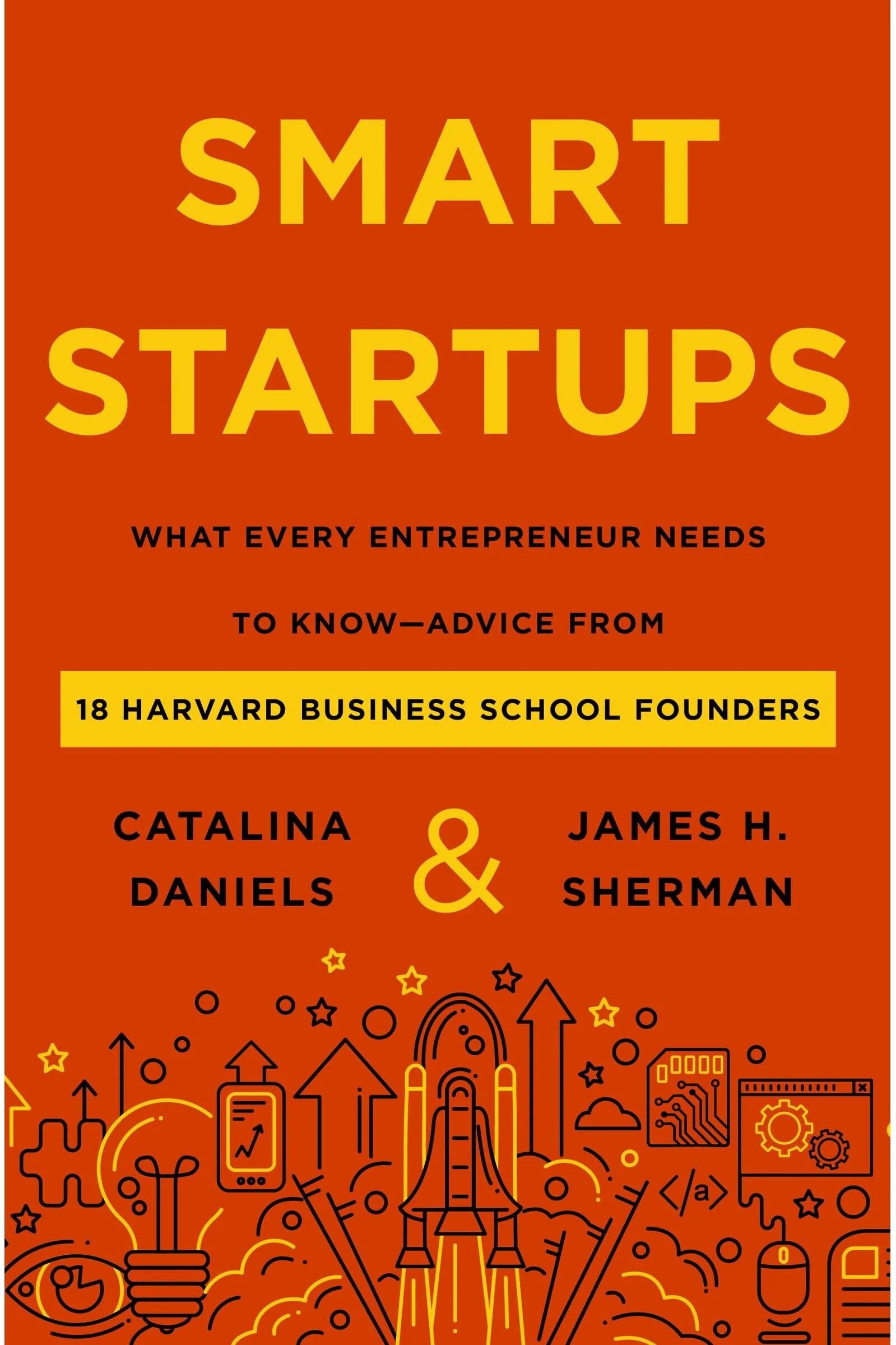
Harper Business Smart Startups: What Every Entrepreneur Needs to Know by Catalina Daniels & James H. Sherman - Hardback - Business & Entrepreneurship Non FictionSmart Startups: What Every Entrepreneur Needs to Know is a candid guide to building a company that lasts. Written by two Harvard Business School classmates turned founders and angel investors, it goes beyond classroom theory to show what actually happens inside eighteen startups launched by fellow HBS graduates. Packed with honest case studies, hard-won lessons, and unexpected pitfalls, this book is essential reading for anyone serious about turning an idea into a viable business. The authors, Catalina Daniels and James H. Sherman, met as classmates at Harvard Business School, where they studied the fundamentals of entrepreneurship together. Years later, after each had founded and exited multiple companies and become active angel investors, they discovered that their real-world experiences often diverged sharply from the conventional wisdom they learned in school.11,99 £*Shipping: 2,99 £Secure redirect to the provider
-
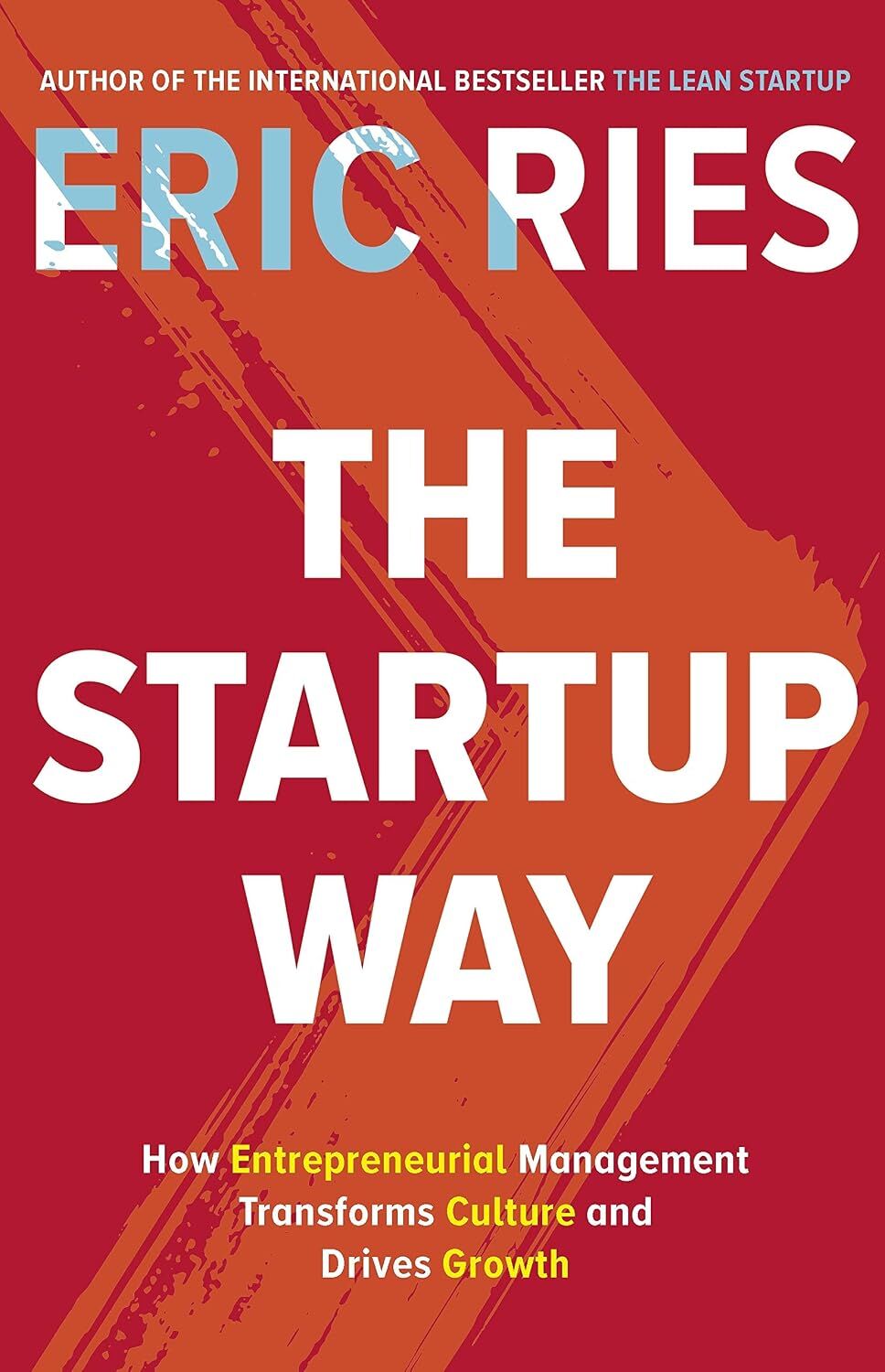
Portfolio Penguin Eric Ries Collection 2 Books Set - The Lean Startup & The Startup Way - Paperback - Business & Entrepreneurship Bundle for Founders and ManagersThis two-book collection brings together Eric Ries's most influential works on modern entrepreneurship: The Lean Startup and The Startup Way. Together they set out a rigorous, practical methodology for building successful businesses in conditions of extreme uncertainty, then show how those same lean principles can be scaled up to transform established, bureaucratic organisations. The Lean Startup introduced the world to concepts such as the minimum viable product, validated learning, and the build-measure-learn feedback loop. Drawing on his own experiences as a founder and advisor, Ries argues that startups succeed not through grand five-year plans but through rapid experimentation and continuous improvement. Ideal for founders, managers, and anyone curious about innovation, this set is a complete primer on lean thinking from the man who coined the term. The books are in brand new condition, published by Portfolio Penguin, and are suitable for adult readers.10,99 £*Shipping: 2,99 £Secure redirect to the provider
-
Uplifted Finds Artisan Resonance Bell Magnetic Beech Wood Shopkeeper Chime Executive Entryway & Modern Boutique Sanctuary Decor c"Inaugurate a soulful ""PresenceSanctuary"" energy in your environment with our Artisan Resonance Bell. This premium magnetic wooden doorbell is the ultimate designer solution for creating a ""ZenModern"" or ""ExecutiveStudioLuxe"" atmosphere at any..."43,97 $*Shipping: 0,00 $Secure redirect to the provider
-
Skip's Garage Drink Local Cornhole Boards"Includes: (2) Cornhole Boards & (8) Bags. Boards are Regulation Sized 24"" Wide x 48"" Long. Bags Will Complement The Board Colors. Easily Message Us Bag Color Requests. Easily Add a Carry Cases, Lights, or Both!"246,49 $*Shipping: 0,00 $Secure redirect to the provider
-
What does the light-dependent photosynthesis have to do with the light-independent photosynthesis?
The light-dependent photosynthesis is the first stage of the photosynthesis process, where light energy is used to convert water and carbon dioxide into oxygen and energy-rich molecules such as ATP and NADPH. The light-independent photosynthesis, also known as the Calvin cycle, uses the energy-rich molecules produced in the light-dependent stage to convert carbon dioxide into glucose. Therefore, the light-dependent photosynthesis provides the energy and molecules necessary for the light-independent photosynthesis to take place and produce glucose, which is essential for the plant's growth and survival. **
-
What is photosynthesis?
Photosynthesis is the process by which green plants, algae, and some bacteria convert light energy, usually from the sun, into chemical energy stored in glucose molecules. This process involves the absorption of carbon dioxide and water, which are then converted into glucose and oxygen with the help of chlorophyll and other enzymes. Photosynthesis is crucial for the survival of plants and other organisms that depend on them for food and oxygen. **
-
Can humans perform photosynthesis?
No, humans cannot perform photosynthesis. Photosynthesis is a process carried out by plants, algae, and some bacteria, where they convert sunlight into energy to produce their own food. Humans do not have the necessary organelles, such as chloroplasts, to carry out photosynthesis. Instead, humans obtain energy by consuming food and breaking it down through cellular respiration. **
-
When does photosynthesis occur?
Photosynthesis occurs during the daytime when there is sunlight available. This is because sunlight is the energy source that drives the process of photosynthesis. During photosynthesis, plants use sunlight, carbon dioxide, and water to produce glucose and oxygen. This process is essential for the survival of plants and is the foundation of the food chain, as it provides energy for all living organisms. **
Similar search terms for Photosynthesis
-
Uplifted Finds Artisan Resonance Bell Magnetic Beech Wood Shopkeeper Chime Executive Entryway & Modern Boutique Sanctuary Decor d"Inaugurate a soulful ""PresenceSanctuary"" energy in your environment with our Artisan Resonance Bell. This premium magnetic wooden doorbell is the ultimate designer solution for creating a ""ZenModern"" or ""ExecutiveStudioLuxe"" atmosphere at any..."53,97 $*Shipping: 0,00 $Secure redirect to the provider
-
Uplifted Finds Artisan Resonance Bell Magnetic Beech Wood Shopkeeper Chime Executive Entryway & Modern Boutique Sanctuary Decor b"Inaugurate a soulful ""PresenceSanctuary"" energy in your environment with our Artisan Resonance Bell. This premium magnetic wooden doorbell is the ultimate designer solution for creating a ""ZenModern"" or ""ExecutiveStudioLuxe"" atmosphere at any..."33,97 $*Shipping: 0,00 $Secure redirect to the provider
-
Uplifted Finds Artisan Resonance Bell Magnetic Beech Wood Shopkeeper Chime Executive Entryway & Modern Boutique Sanctuary Decor a"Inaugurate a soulful ""PresenceSanctuary"" energy in your environment with our Artisan Resonance Bell. This premium magnetic wooden doorbell is the ultimate designer solution for creating a ""ZenModern"" or ""ExecutiveStudioLuxe"" atmosphere at any..."33,97 $*Shipping: 0,00 $Secure redirect to the provider
-
Skip's Garage Drink Local Cornhole Boards"Includes: (2) Cornhole Boards & (8) Bags. Boards are Regulation Sized 24"" Wide x 48"" Long. Bags Will Complement The Board Colors. Easily Message Us Bag Color Requests. Easily Add a Carry Cases, Lights, or Both!"296,49 $*Shipping: 0,00 $Secure redirect to the provider
-
Can you describe photosynthesis?
Photosynthesis is the process by which green plants, algae, and some bacteria convert light energy, carbon dioxide, and water into glucose and oxygen. It takes place in the chloroplasts of plant cells and involves two main stages: the light-dependent reactions and the light-independent reactions (Calvin cycle). During the light-dependent reactions, light energy is used to split water molecules and produce ATP and NADPH. These energy carriers are then used in the Calvin cycle to convert carbon dioxide into glucose. Overall, photosynthesis is a crucial process that provides energy for plants and produces oxygen as a byproduct. **
-
Could photosynthesis even work?
Yes, photosynthesis is a fundamental process that allows plants, algae, and some bacteria to convert light energy into chemical energy in the form of glucose. This process involves the absorption of light by chlorophyll, which then drives a series of chemical reactions that ultimately produce glucose and release oxygen as a byproduct. Photosynthesis is essential for the survival of most life on Earth, as it provides the energy and oxygen necessary for the functioning of ecosystems. Without photosynthesis, the Earth's atmosphere would lack oxygen and the food web would collapse. **
-
Does every plant perform photosynthesis?
No, not every plant performs photosynthesis. While the majority of plants are autotrophic and capable of photosynthesis, there are some exceptions. For example, certain parasitic plants obtain nutrients from other plants and do not perform photosynthesis. Additionally, some plants that live in very dark environments, such as deep in the ocean or underground, may not rely solely on photosynthesis for their energy needs. **
-
What is photosynthesis in biology?
Photosynthesis is the process by which green plants, algae, and some bacteria convert light energy, usually from the sun, into chemical energy stored in glucose molecules. This process involves the absorption of carbon dioxide and water, which are then converted into glucose and oxygen with the help of chlorophyll and other pigments. Photosynthesis is essential for the survival of plants and other organisms that depend on them for food and oxygen. **
* All prices are inclusive of VAT and, if applicable, plus shipping costs. The offer information is based on the details provided by the respective shop and is updated through automated processes. Real-time updates do not occur, so deviations can occur in individual cases. ** Note: Parts of this content were created by AI.